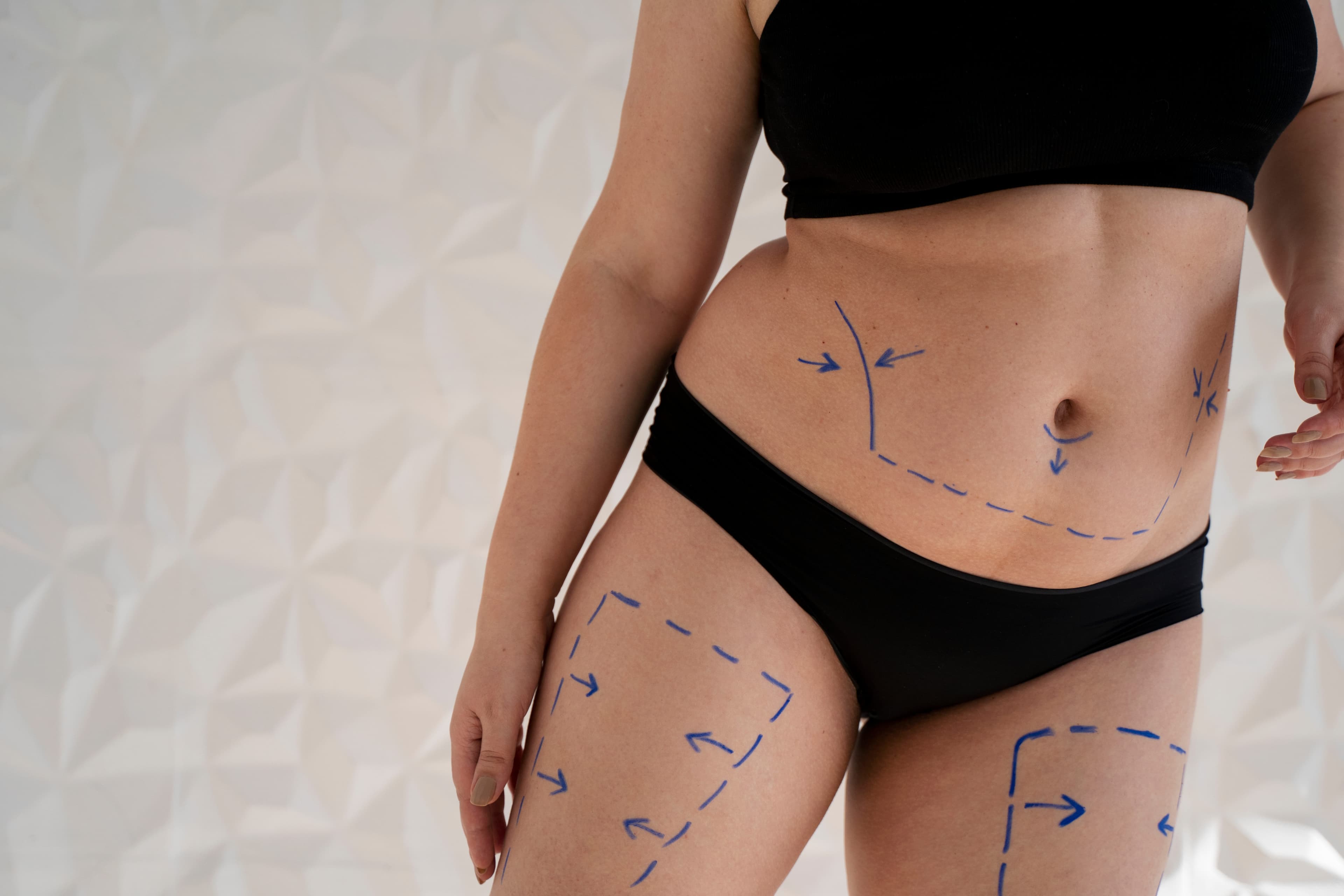
You're planning a cryolipolysis session and you're asking yourself: Is it really safe? This is a legitimate question, and you are right to ask yourself before any treatment. Here is an honest answer, based on available data and the experience of Amanda Grandet, a specialist in cryolipolysis in Mandelieu-la-Napoule for more than 8 years.
Is cryolipolysis dangerous?
The short answer: No, not when it is done in accordance with art, with a professional machine, by a trained practitioner, after checking for contraindications.
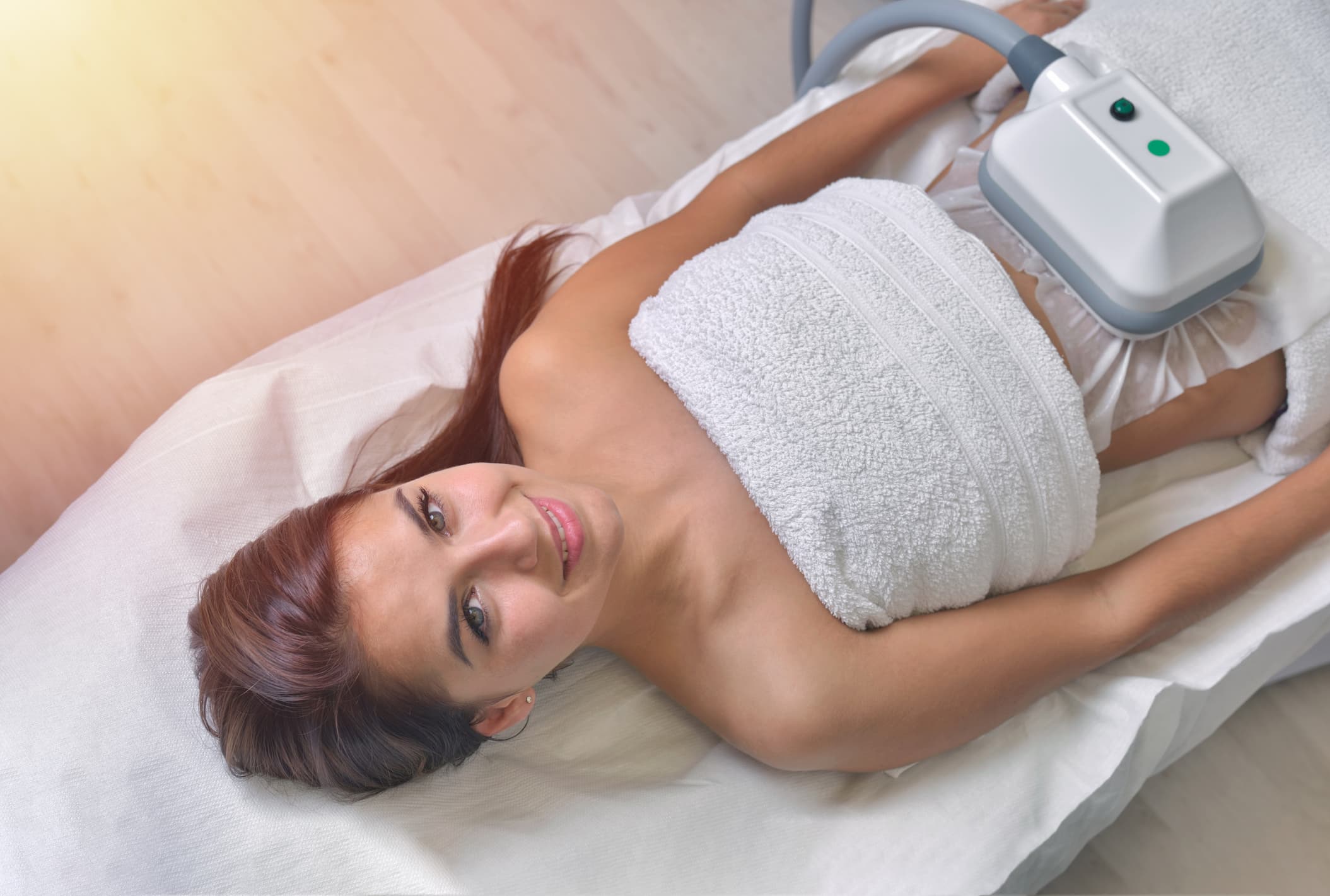
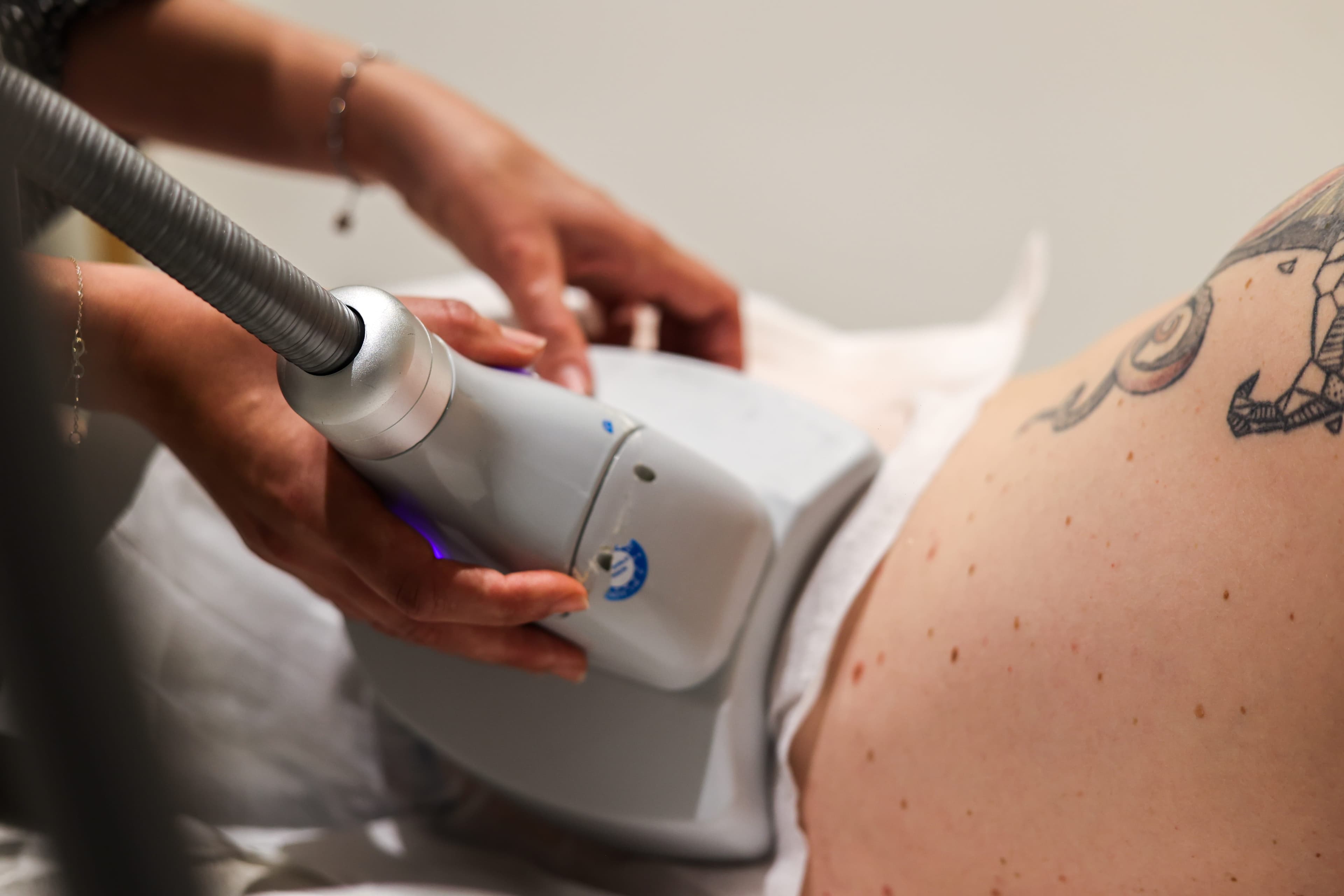
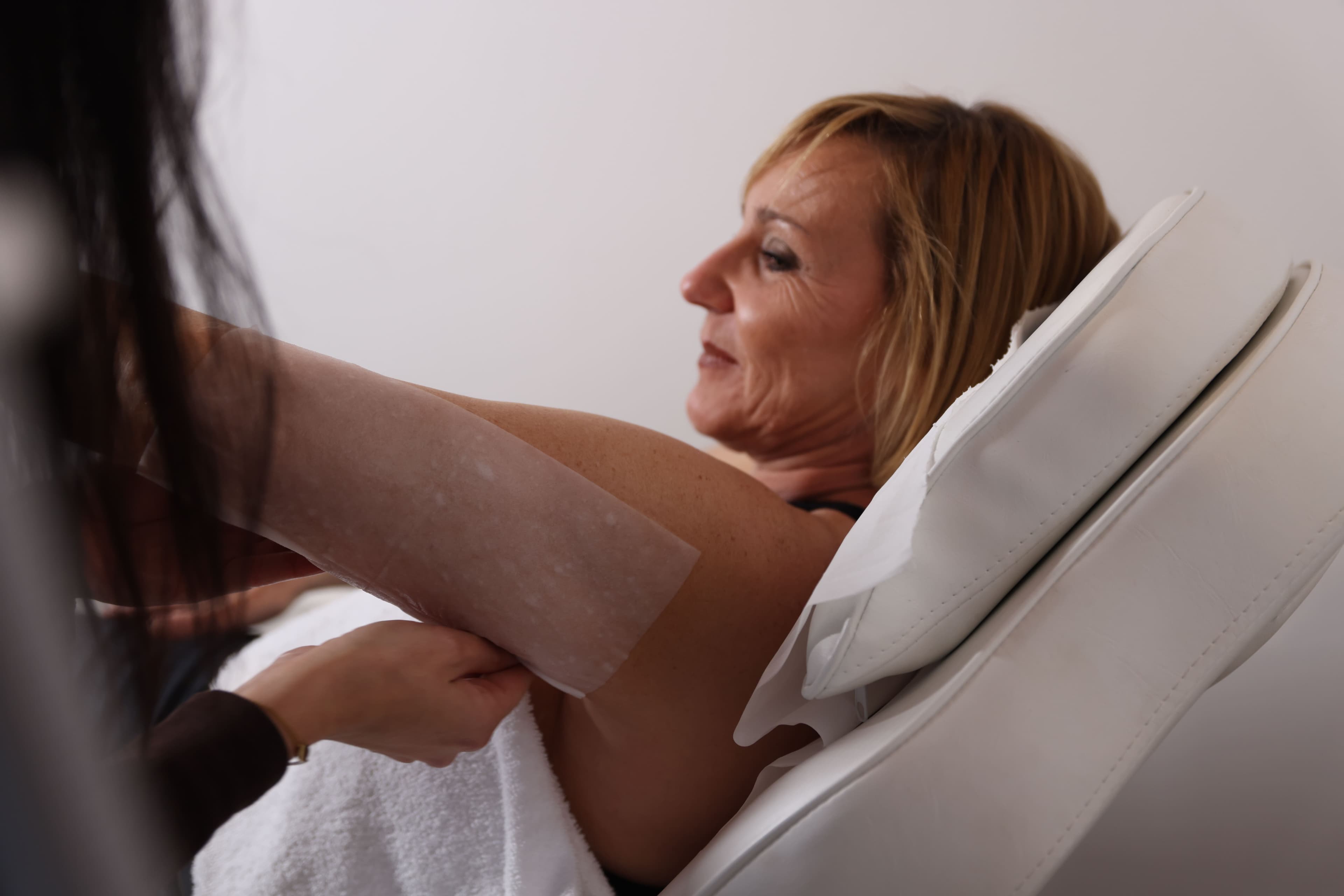
Cryolipolysis is a non-invasive technique — no incision, no anesthesia, no surgery. There is no risk of post-operative infection or scarring. The skin is protected by a gel membrane that creates a barrier between the applicator and the tissues, and the temperature is regulated by sensors throughout the session.
The High Health Authority (HAS) assessed the technique and concluded that the risks are manageable provided that the treatment is carried out by a qualified professional with a certified device. This is precisely why your practitioner's choice is as important as the treatment itself.
Common side effects - temporary and benign
Like any medico-aesthetic treatment, cryolipolysis can cause reactions to the treated area. These effects are common, expected, and disappear within hours to a few days.
During the session:
- Sensation of intense cold at the beginning, which quickly weakens by numbness
- Slight tiring sensation related to applicator aspiration
- Passive tingling or cramping
Within the following days:
- Redness on the treated area (disappear within hours)
- Slight bruising (blue) related to suction — normal and temporary
- Moderate swelling
- Sensitivity to touch or numbness — may last a few weeks
- Mild itching due to nerve regeneration
These effects vary between individuals and areas treated. Some patients feel nothing special after the session. Others may have some curvature on the following days, comparable to those of muscle exertion.
The rare risk: paradoxical adipose hyperplasia
A rare but important side effect is: paradoxical adipose hyperplasia. Instead of decreasing, the treated area increased its fat volume, 4 to 6 months after the session.
This phenomenon is estimated to be 1 in every 4,000 patients about. It is more common in men. When it occurs, liposuction may be required to correct the result. New generations of machines, with more suitable applicators, have reduced this risk.
This is one of the reasons why the preliminary assessment is indispensable — it allows to assess whether the technique is adapted to your morphology and your objectives.
Absolute contraindications
Cryolipolysis is Not recommended or contraindicated in the following situations:
Absolute contraindications:
- Pregnancy and breastfeeding
- Porting a pacemaker or implantable electronic device
- Cryoglobulinemia (atypical cold-sensitive proteins)
- Cold urticaria and Raynaud's disease
- Severe neuropathic disorders
Relative contraindications (to be evaluated on a case-by-case basis):
- Significant circulatory disorders or venous insufficiency
- Hernie in the treatment area
- Plaies or skin lesions active in the area
- Unbalanced diabetes
- Anticoagulant treatment
- Severe renal impairment
That's why at AG Cryolipolyse Mandelieu, each first consultation is a complete review Amanda Grandet assesses your condition, history and area of treatment before any session. If a contraindication is detected, other solutions are offered.
Real risks come from bad practices
Most of the documented problematic cases — burns, frosts, paradoxical hyperplasia — occurred in non-medical centres, with poor quality devices or used by untrained aestheticians.
In France, the legislation is clear: cryolipolysis is a medical procedure that must be performed after consultation with a qualified health professional. Imported low-cost devices do not properly control the temperature in the applicator — this is where the real danger lies.
How to avoid these risks:
- Choosing a trained and experienced practitioner
- Ensure the device is certified (EC medical)
- Require prior review before any meeting
- Avoiding cheap offers without prior consultation
What Amanda Grandet says, practitioner in Mandelieu
"In more than 8 years of practice and over 1,300 sessions, I have never seen a serious adverse reaction in my patients. The key: take the time of the initial assessment, respect contraindications, and use a professional machine with rigorous protocols. Cryolipolysis is a safe and effective treatment — provided it is done in the right hands. "
Do you want to know if cryolipolysis is suitable for your situation? Amanda Grandet proposes a assessment offered in his office in Mandelieu-la-Napoule, a few minutes from Cannes, La Bocca, Mougins, Pegomas and Théoule-sur-Mer.