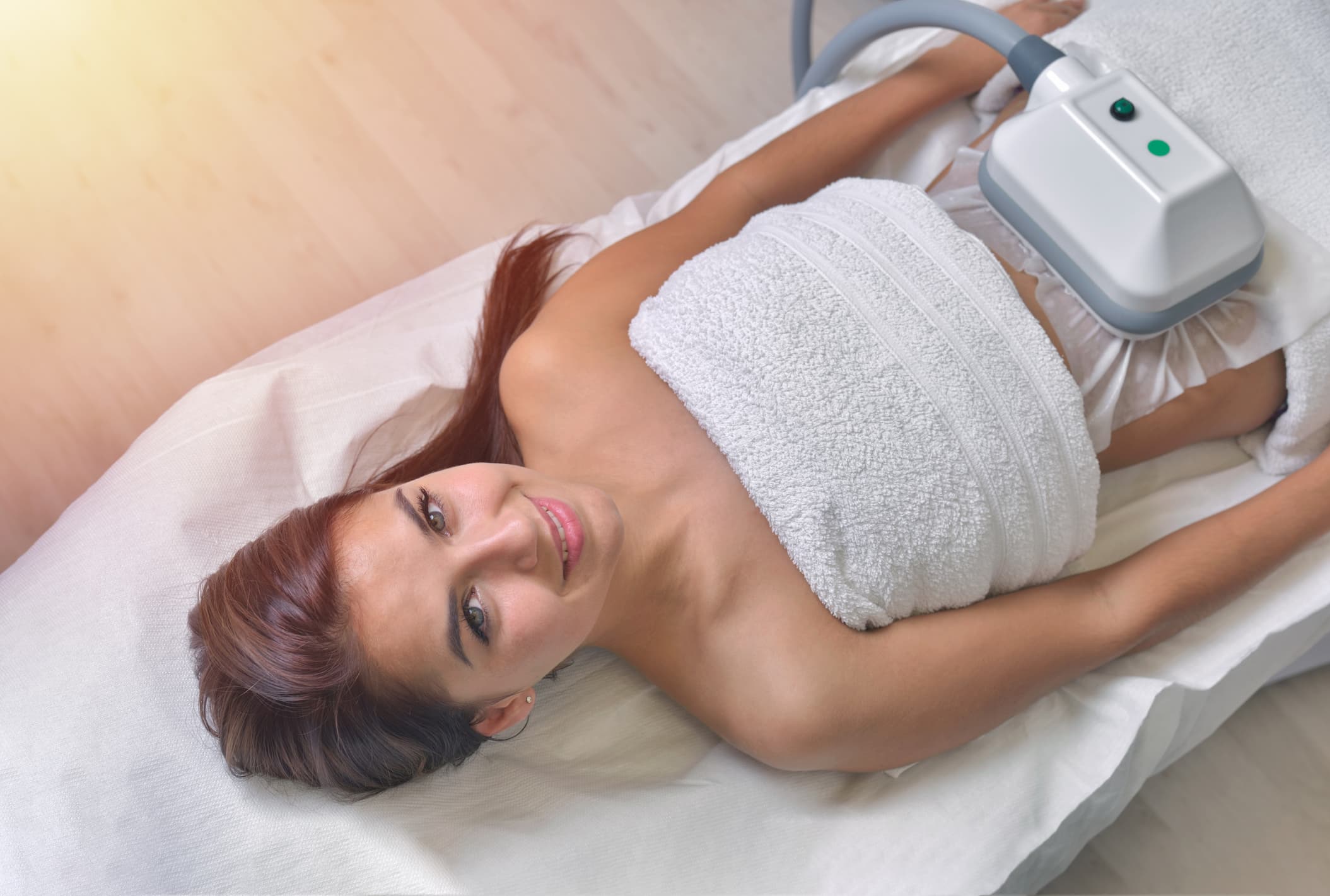
1. What is cryolipolysis?
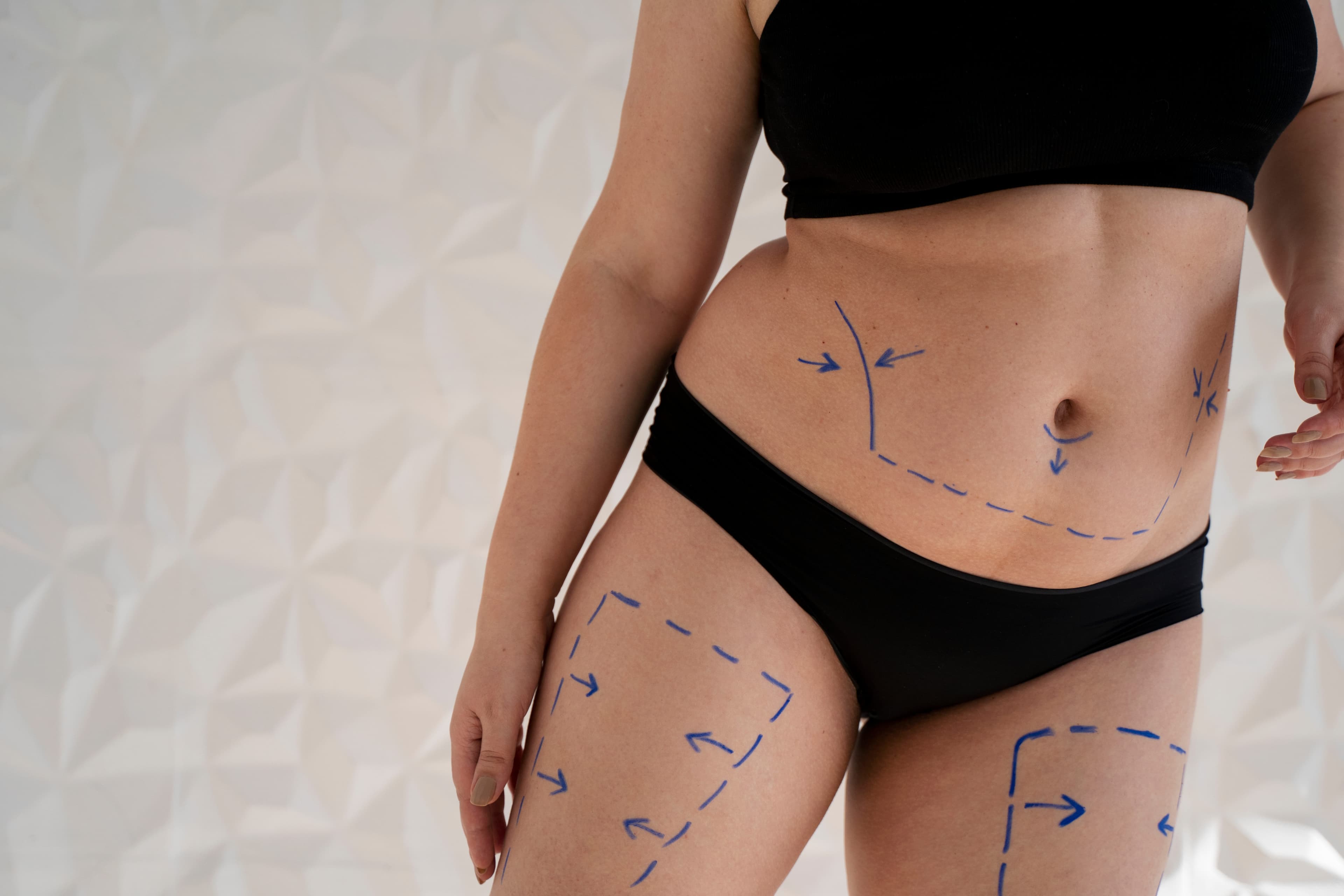
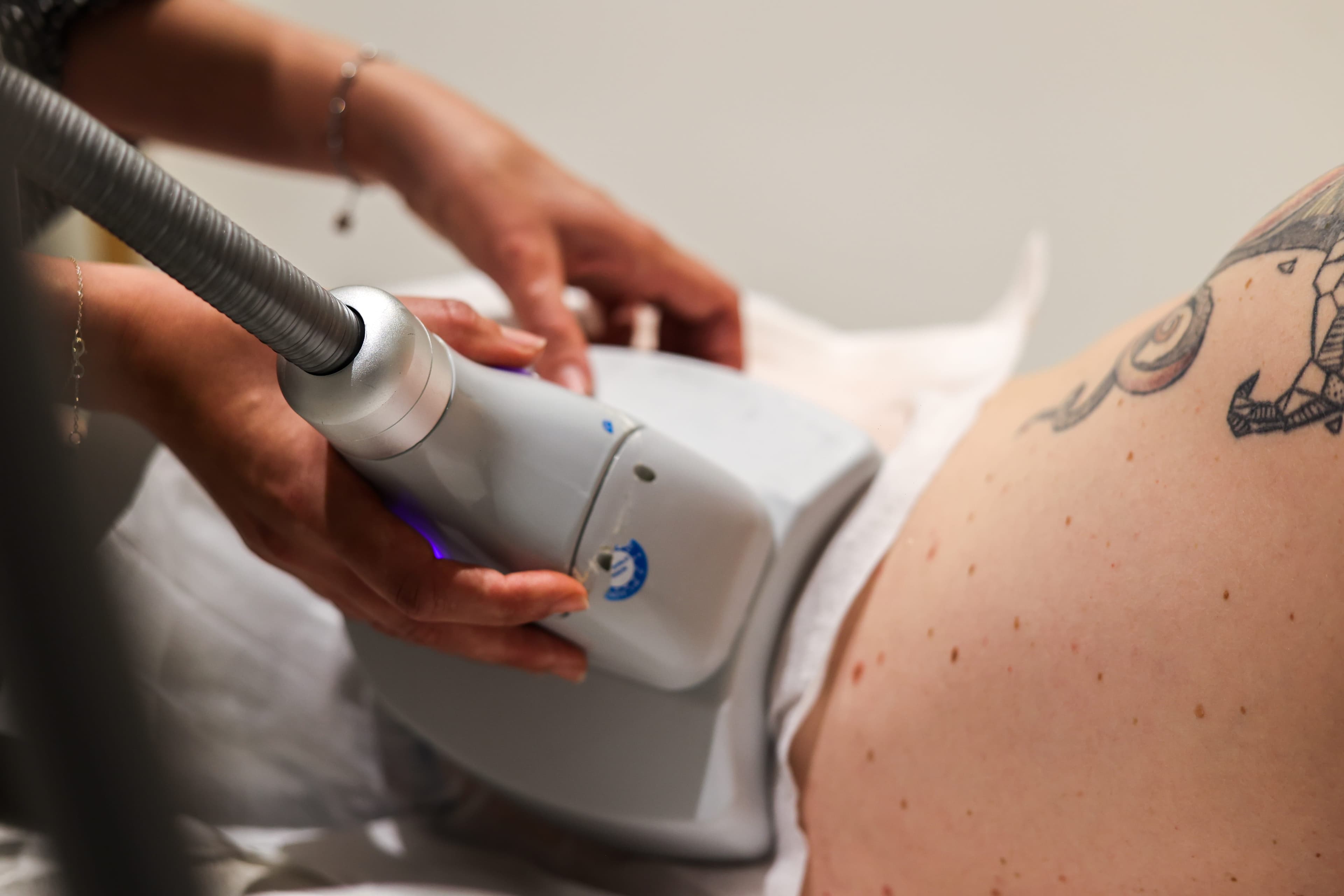
Cryolipolysis is an aesthetic medicine technique that destroys fatty cells by cold (-10 °C to -13 °C). Once crystallised, the adipocytes are removed naturally by the body within a few weeks, reducing the localised volume without surgery or anesthesia.
Secondary keywords: thinning treatment, fat removal, fat cell.
2. Why contraindications?
Severe cold exerts heat stress on targeted tissues; certain pathologies or physiological situations can turn this stress into a real risk: skin lesions, vascular disorders, immune reactions, etc. Before any session, a trained practitioner must perform a medical examination to eliminate these risks.
3. The 9 major (absolute) contraindications
4. Relative contraindications and precautions
- BMI > 30 cryolipolysis is not a treatment for obesity, but localised fatty clusters.
- Anticoagulant treatments : risk of significant bruises; medical agreement required.
- Port of a pacemaker or metal implant near the area : check compatibility according to the model of the apparatus.
- Increased skin sensitivity (fibromyalgia, SED) : adapt parameters, monitor pain.
- Allergies to gels or membranes used - propose hypoallergenic consumables.
5. How do I know you're eligible?
6. Express FAQ
Is cryolipolysis painful?
Feeling of pinching and intense cold at first, generally well tolerated; discomfort disappears in a few minutes.
How many sessions does it take?
1 to 3 sessions per zone, spaced 6 to 8 weeks, depending on the thickness of the fat.
When do we see the results?
From 3 weeks, with a maximum around 2-3 months post-session; drainage, hydration and physical activity accelerate the process.
7. To be retained
Cryolipolysis is an effective non-invasive treatment, provided that its contraindications are respected. A prior medical diagnosis and the expertise of a qualified practitioner remain essential to ensure safety and aesthetic result.